LANGLEY, BC

Design-Build Renovation vs Traditional Renovation

In Langley home renovation projects, the way a project is structured has a major impact on cost control, communication, and final results. Understanding the difference helps homeowners avoid the disconnect between what is designed and what is built.

Both approaches can deliver high-quality outcomes, but they differ in how planning and construction are organized and how responsibility is shared throughout the project lifecycle.

Discuss Your Project → Get a Free Quote →
Design-Build vs Traditional Renovation Comparison Langley

What Design-Build Renovation Means in Practice

Design-build is a unified project delivery model where one team is responsible for both the design phase and the construction phase of the renovation.

Project Management Features

Instead of separating contracts, design-build integrates them into a single workflow. This typically includes:

  • Early-stage consultation and space planning
  • Budget alignment during design development
  • Material and finish selection based on real construction costs
  • Permit drawings and submission coordination
  • Full construction management and execution
  • Final walkthrough and project delivery

The key characteristic of this model is continuous feedback between design and construction. Decisions are made with build feasibility in mind from the beginning.
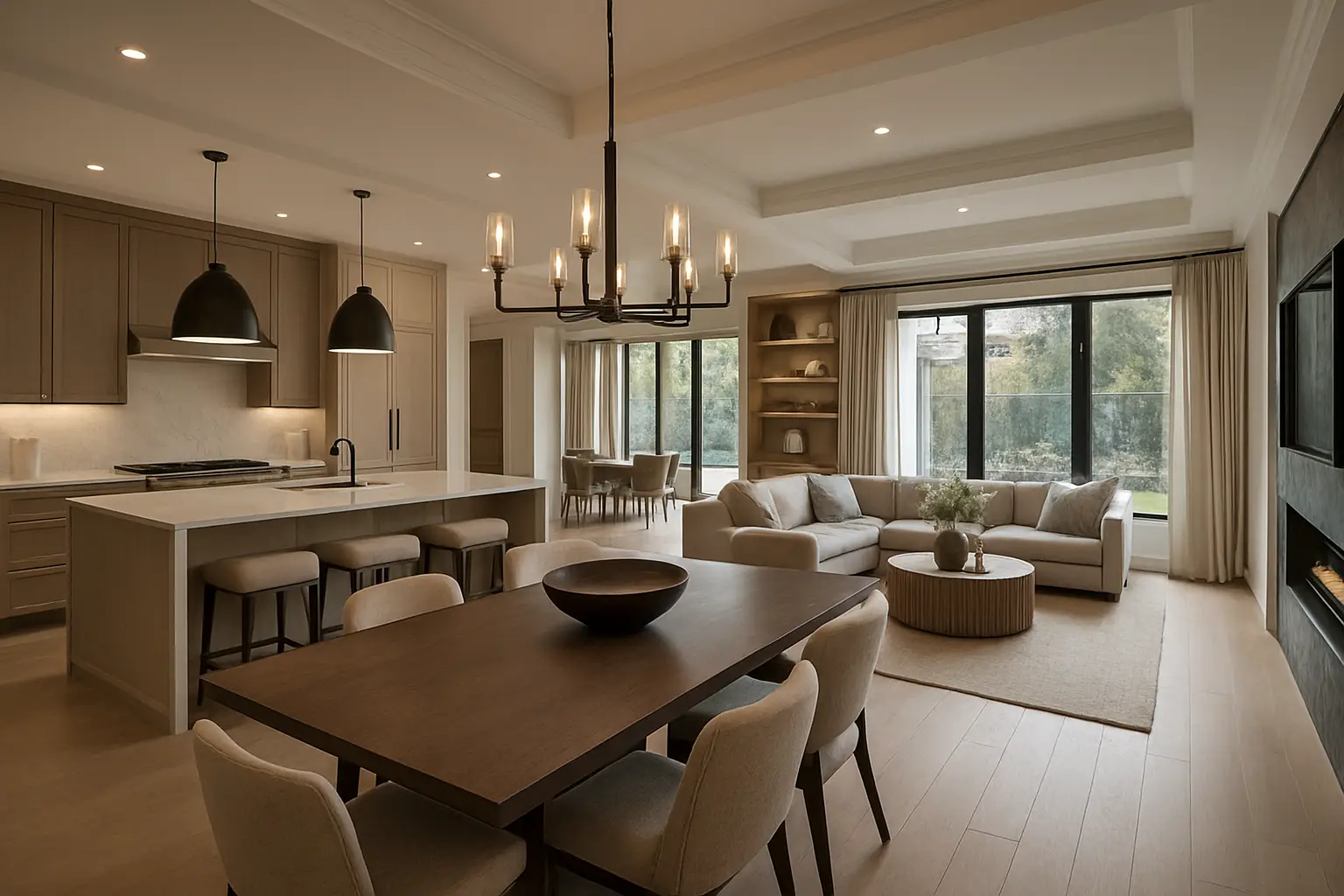
Design-build renovation process and integration
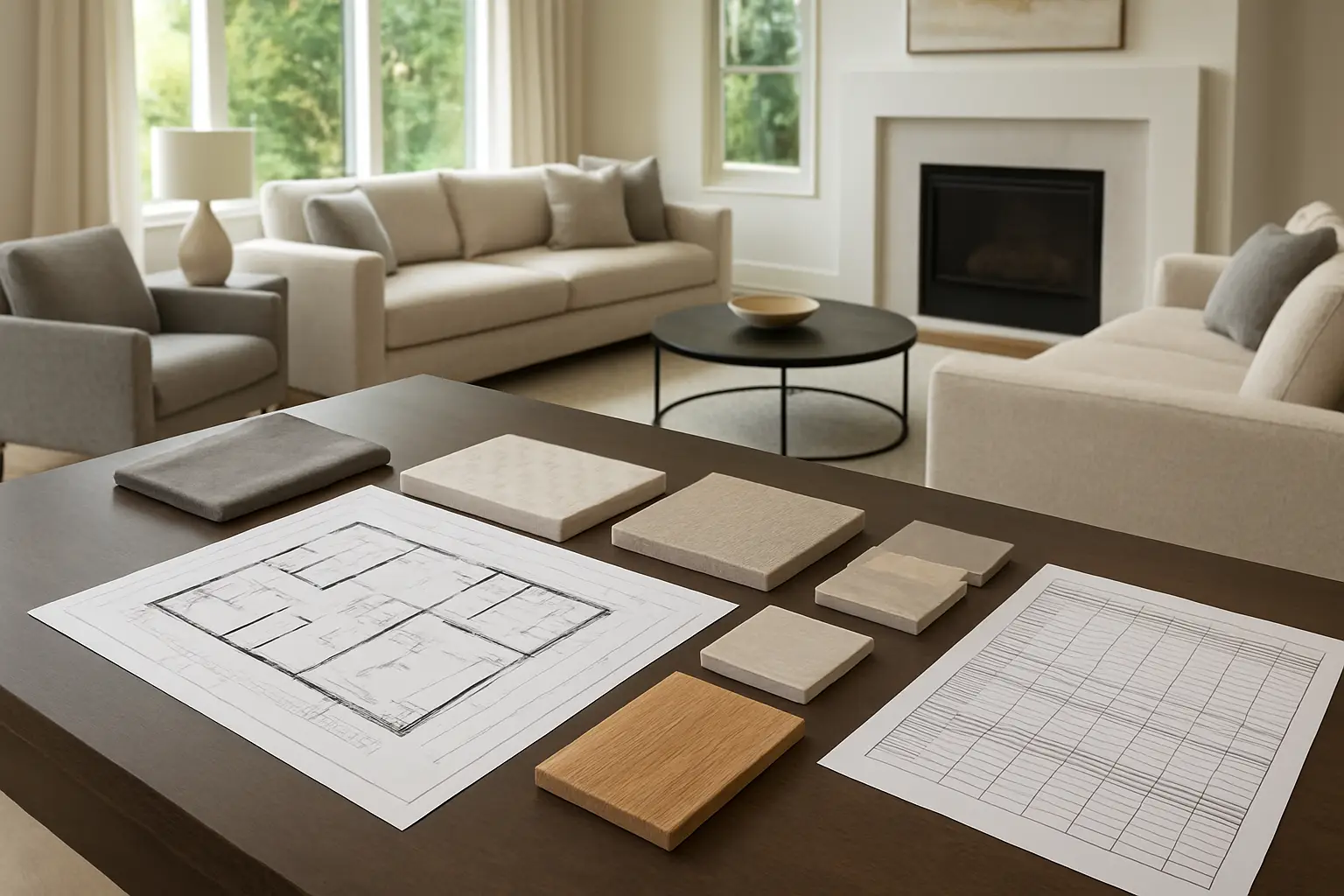
Traditional renovation method involving separate contracts

What Traditional Renovation Means in Practice

Traditional renovation separates the project into distinct phases, usually involving different professionals for design and construction.

General Contractor

A typical traditional process includes:

  • Hiring a designer or architect to create plans
  • Finalizing drawings before construction pricing
  • Sending plans to a contractor for construction
  • Contractor building based on completed design documents
  • Separate coordination between designer, contractor, and trades

This model allows for design independence upfront but introduces more coordination between independent parties.

The Core Difference Is How Decisions Flow

The most important distinction between the two models is how decisions are made throughout the project.

Design-Build

Decisions are made collaboratively during both design and construction. Construction feasibility is considered during design.

Traditional

Design is completed first, then construction follows based on finalized plans. Feasibility is often tested after design is complete.

This affects how quickly changes can be made and how closely the final build matches the original concept.

How Each Model Handles Budget Reality

One of the biggest differences appears in how budgets are managed.

In Design-Build

  • Budget is introduced early in the design phase
  • Material selections are aligned with real construction costs
  • Adjustments are made before construction begins
  • Fewer surprises once building starts

In Traditional Renovation

  • Design may be completed without full cost validation
  • Construction pricing can reveal gaps between design and budget
  • Adjustments may be required after drawings are finalized

Communication and Coordination Differences

Communication structure plays a major role in project experience. The more complex the renovation, the more these differences become noticeable.

Design-build communication:

  • One primary team responsible for both design and construction
  • Faster decision-making loops
  • Fewer handoffs between professionals
  • More consistent interpretation of project goals

Traditional communication:

  • Designer communicates design intent
  • Contractor interprets and builds from plans
  • Additional coordination may be required between parties
Construction team communication and project coordination
Predictable renovation results with design-build

When Design-Build Renovation Works Best

Design-build is often preferred when the project involves multiple moving parts that need to stay aligned from concept to completion.

This includes:

  • Full home renovations
  • Kitchen remodels with layout changes
  • Basement finishing or suite development
  • Projects involving multiple trades and permits
Complete Home Kitchen Renovation Basement Finishing

When Traditional Renovation Can Be the Better Fit

Traditional renovation may work better when design independence is a priority and the design phase is highly creative or exploratory.

  • Homeowner is working with a specific architect or designer
  • Design phase is highly creative or exploratory
  • Construction scope is straightforward and well-defined
  • Homeowner prefers to tender the project after design completion

This model allows design to be fully developed before construction pricing is introduced.

Architect led traditional renovation planning
Managing change orders and construction risk

Risk, Change Orders, and Real-World Adjustments

One of the most practical differences appears during construction when changes arise. This becomes more important as project complexity increases.

In design-build:

  • Changes are evaluated with both design and cost input immediately
  • Fewer disconnects between intent and execution
  • Adjustments are integrated into a single workflow

In traditional renovation:

  • Changes may require back-and-forth between designer and contractor
  • Cost impacts may be reviewed separately from design intent
  • More formal change orders are often required

Which Model Is More Predictable

Predictability depends on what stage you define it. Neither model removes uncertainty completely, but they shift where that uncertainty appears in the process.

Design-Build Predictability

Tends to be more predictable during construction because budget and feasibility are aligned earlier in the process.

Traditional Predictability

Can feel more flexible during design but less predictable once construction pricing and sequencing begins.

Choosing the Right Approach in Langley Homes

For most residential renovation projects in Langley, the decision comes down to project complexity and systems being changed at once.

Lean toward Design-Build when:

  • Multiple rooms are involved
  • Structural or layout changes are required
  • Permits and inspections are part of the scope
  • Coordination between trades needs to be tightly managed

Lean toward Traditional when:

  • Design exploration is the primary focus
  • The project is architect-led
  • Construction scope is clearly defined before pricing