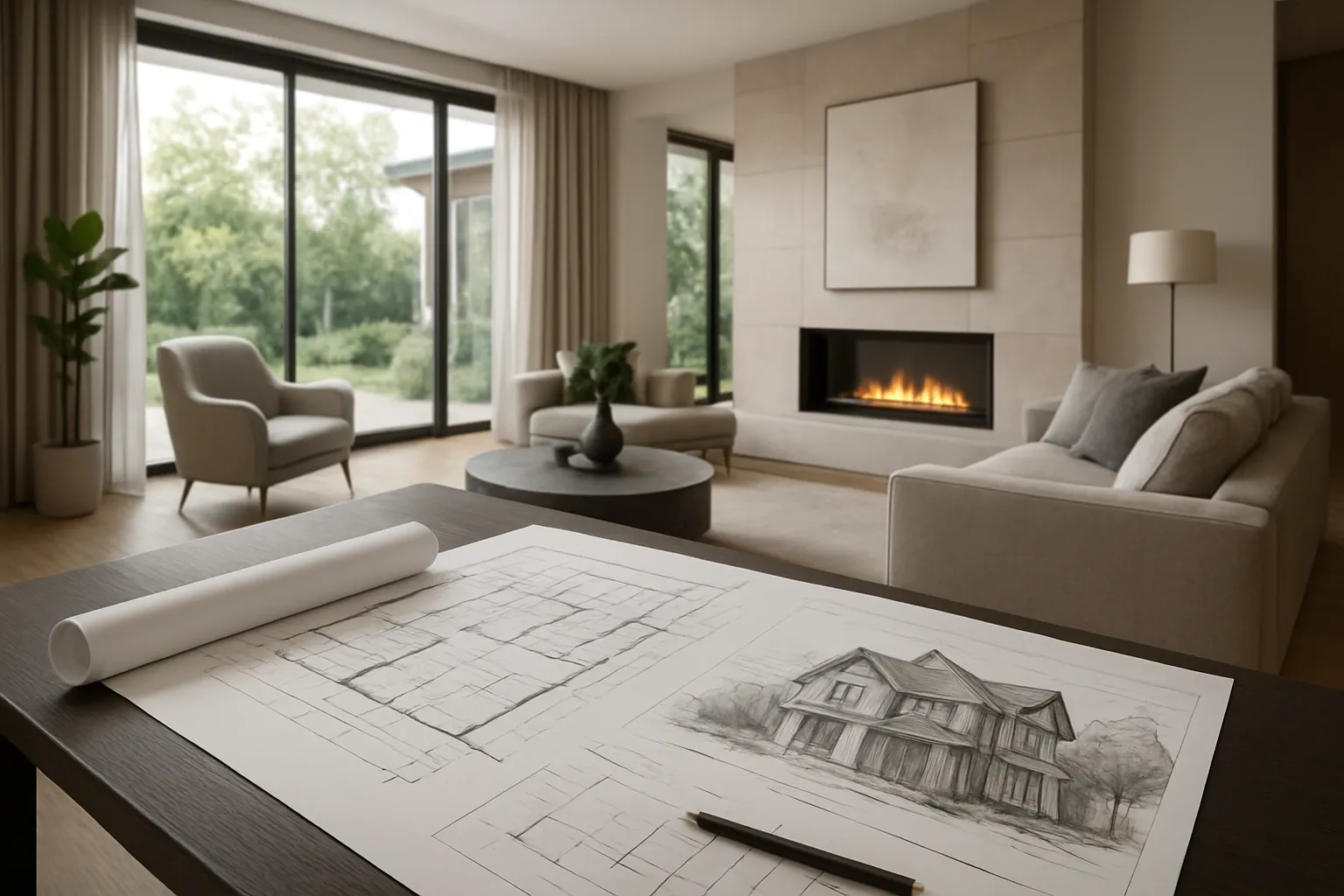
Home Addition vs Moving in Langley
When a home in Langley starts feeling too small, homeowners usually end up comparing two major options: building a home addition or moving to a new property. This Greatwerx guide compares the practical trade-offs between both paths. On the surface, this feels like a financial decision, but in reality it is a mix of cost, lifestyle stability, long-term planning, and how attached you are to your current neighbourhood.
Both options solve the “space problem,” but they solve it in very different ways.
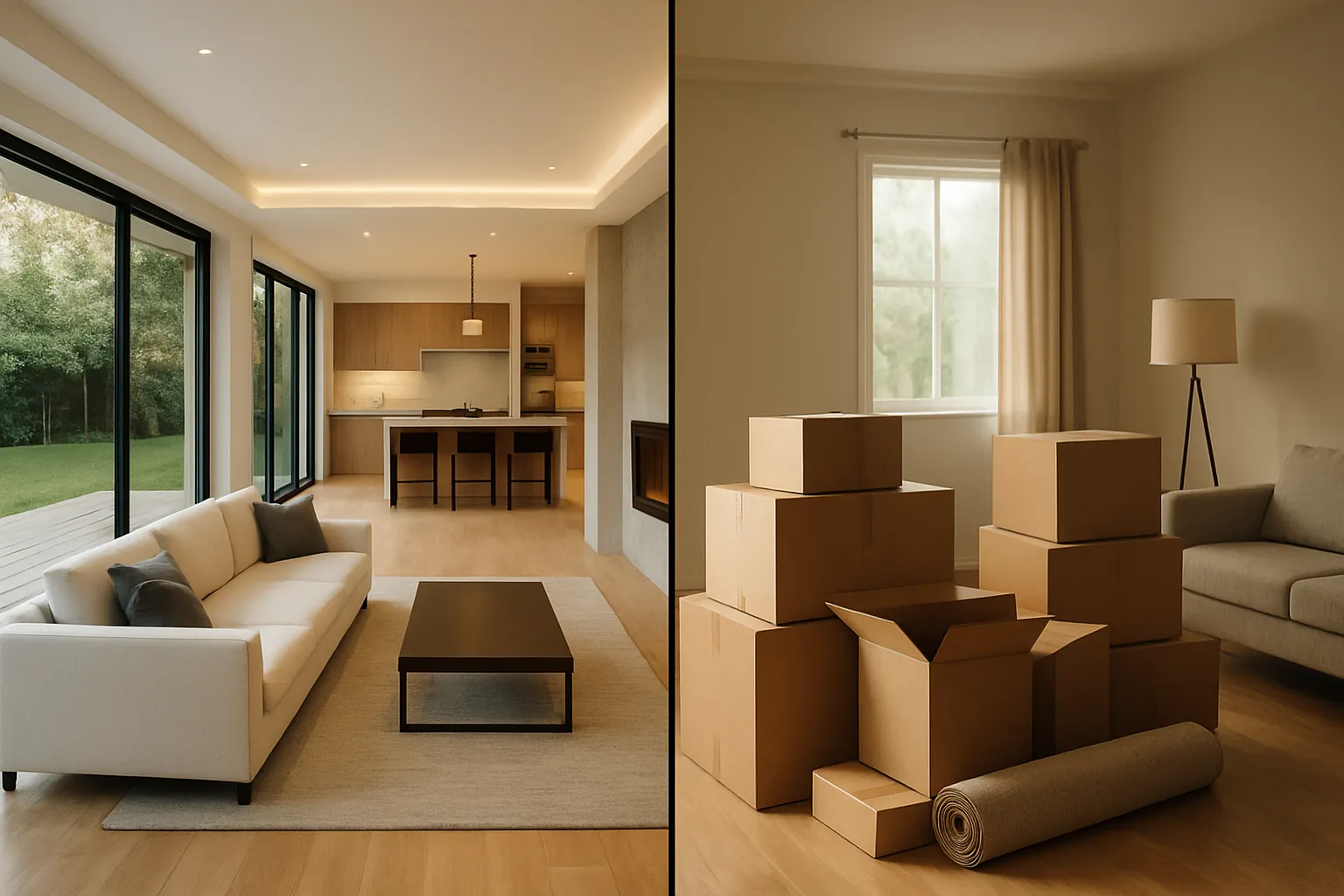
What a Home Addition Actually Solves
A home addition expands your existing property so you can stay in the same home while increasing usable space.
- Extra bedrooms for growing families
- Expanded kitchen or living areas
- New bathrooms or ensuite additions
- Main-floor extensions or rear additions
- In some cases, secondary living spaces or suites
A well-planned addition is essentially a way to “rebuild part of your home without leaving it.”
What Moving Actually Changes
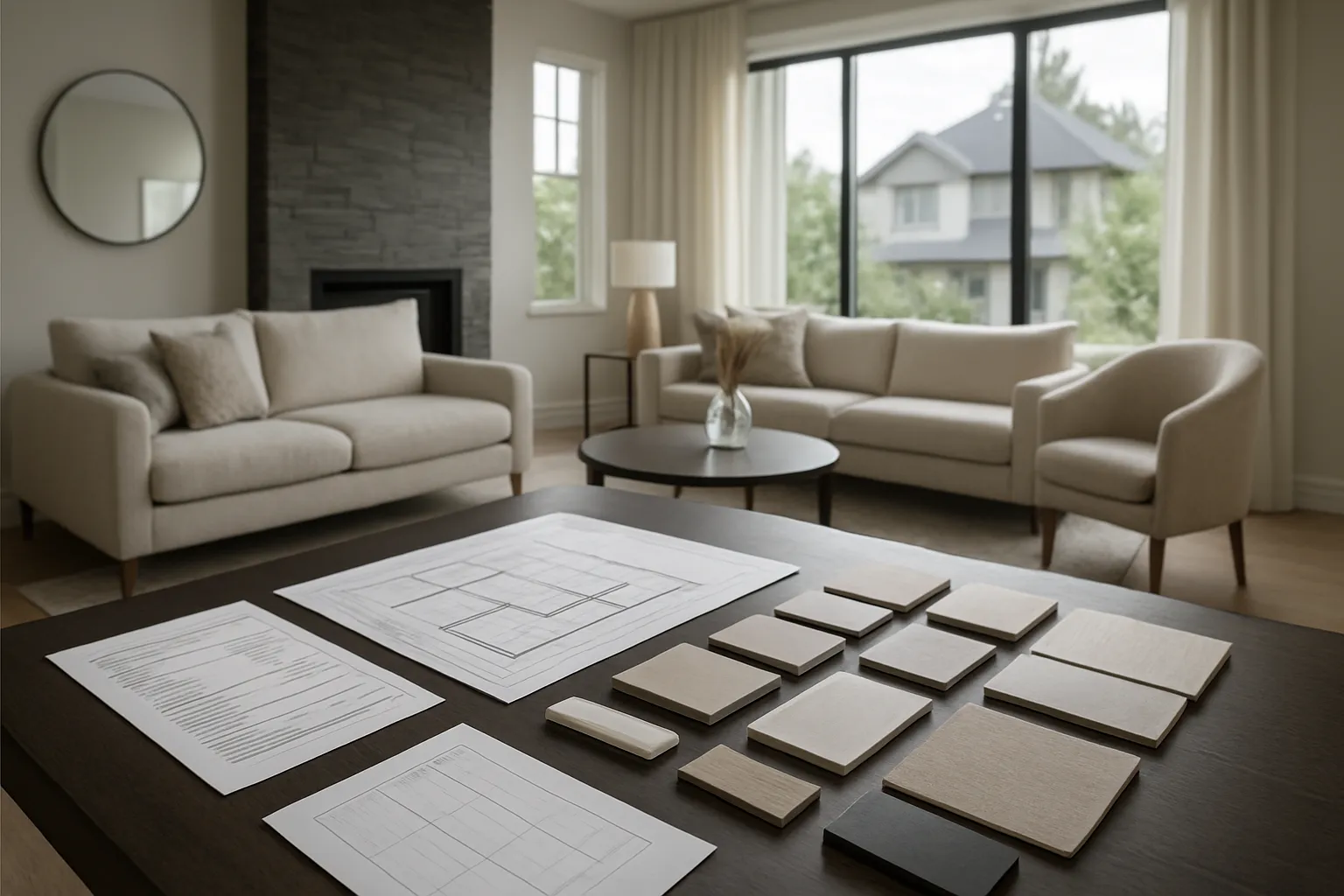
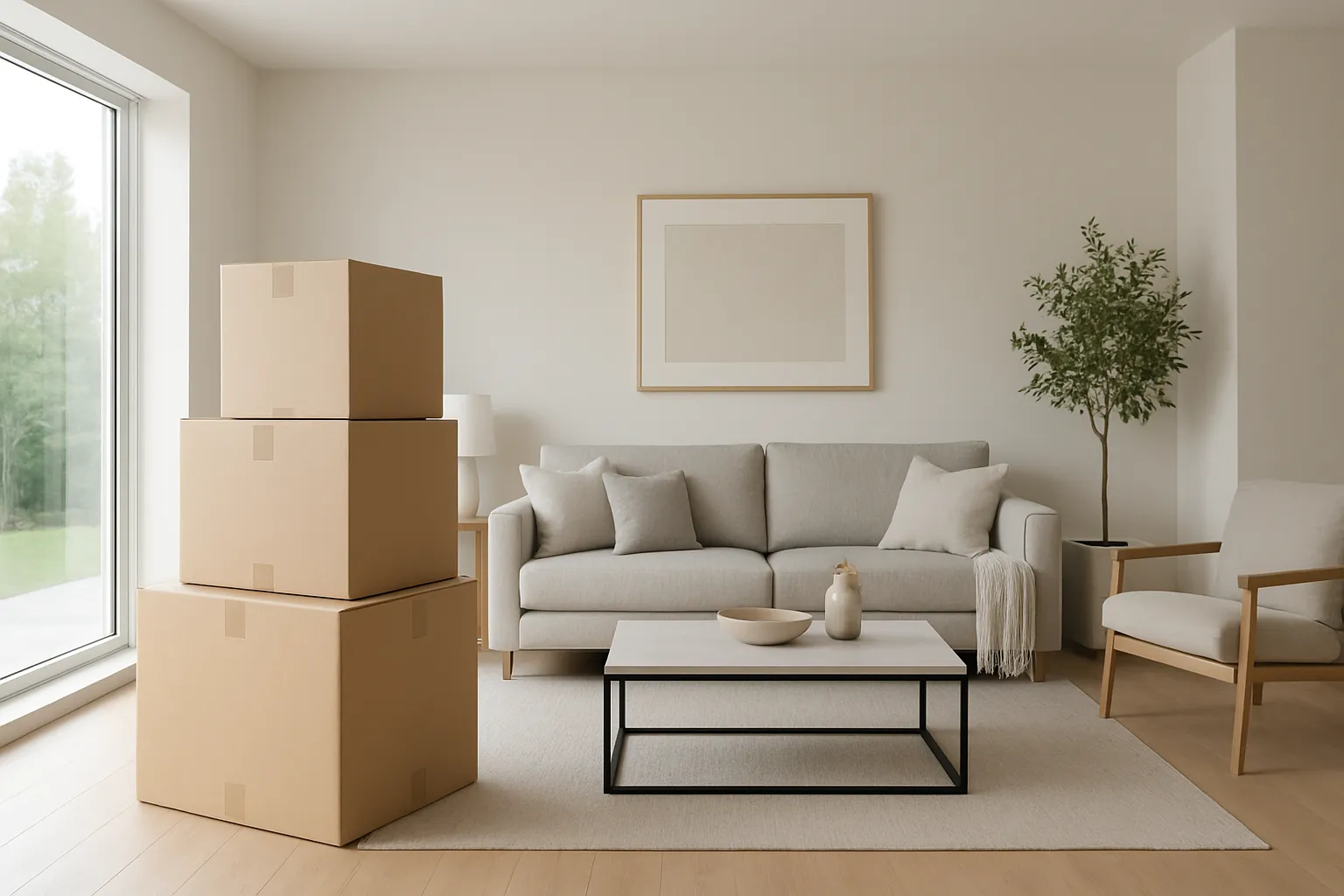
Moving to a different home can solve a space limitation without construction, but it introduces a different set of financial, timing, and lifestyle trade-offs. Moving typically involves:
- Selling your current home
- Competing in the real estate market
- Paying legal and transaction costs
- Adjusting to a new neighbourhood and commute
- Re-establishing schools, routines, and services
Moving can solve layout or size issues, but the outcome depends on available inventory, financing, sale timing, closing conditions, and the needs of your household.
The Real Decision Isn’t Just Financial
Cost matters, but the decision also depends on lifestyle, property feasibility, timing, and how well the current location still fits your household.
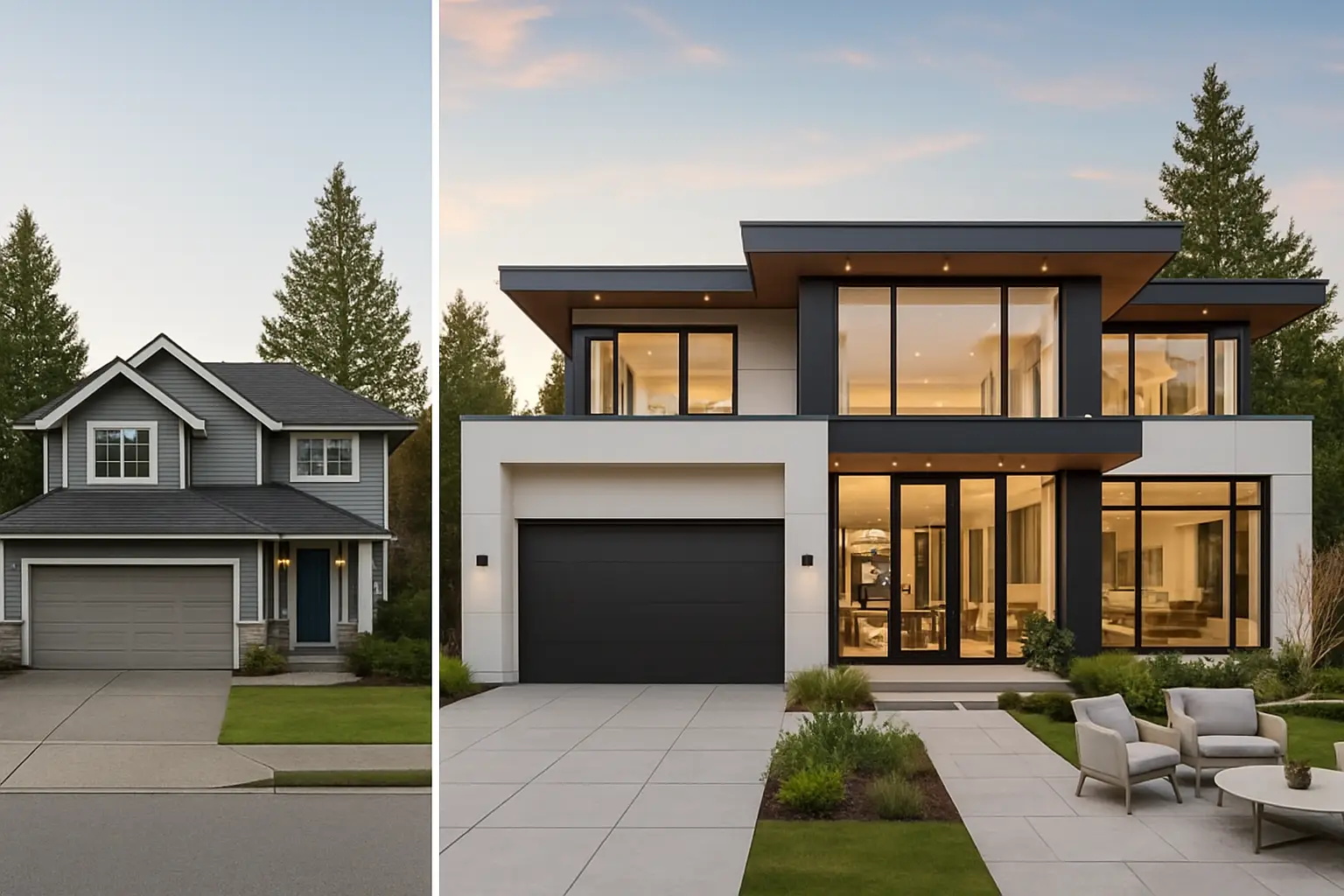
- Home addition = stay in place while changing the home to better fit your needs
- Moving = change both the property and, potentially, the neighbourhood, commute, schools, and routines
This difference becomes more important when families are already established in schools, neighbourhoods, or long-term communities in Langley.
When a Home Addition Makes More Sense
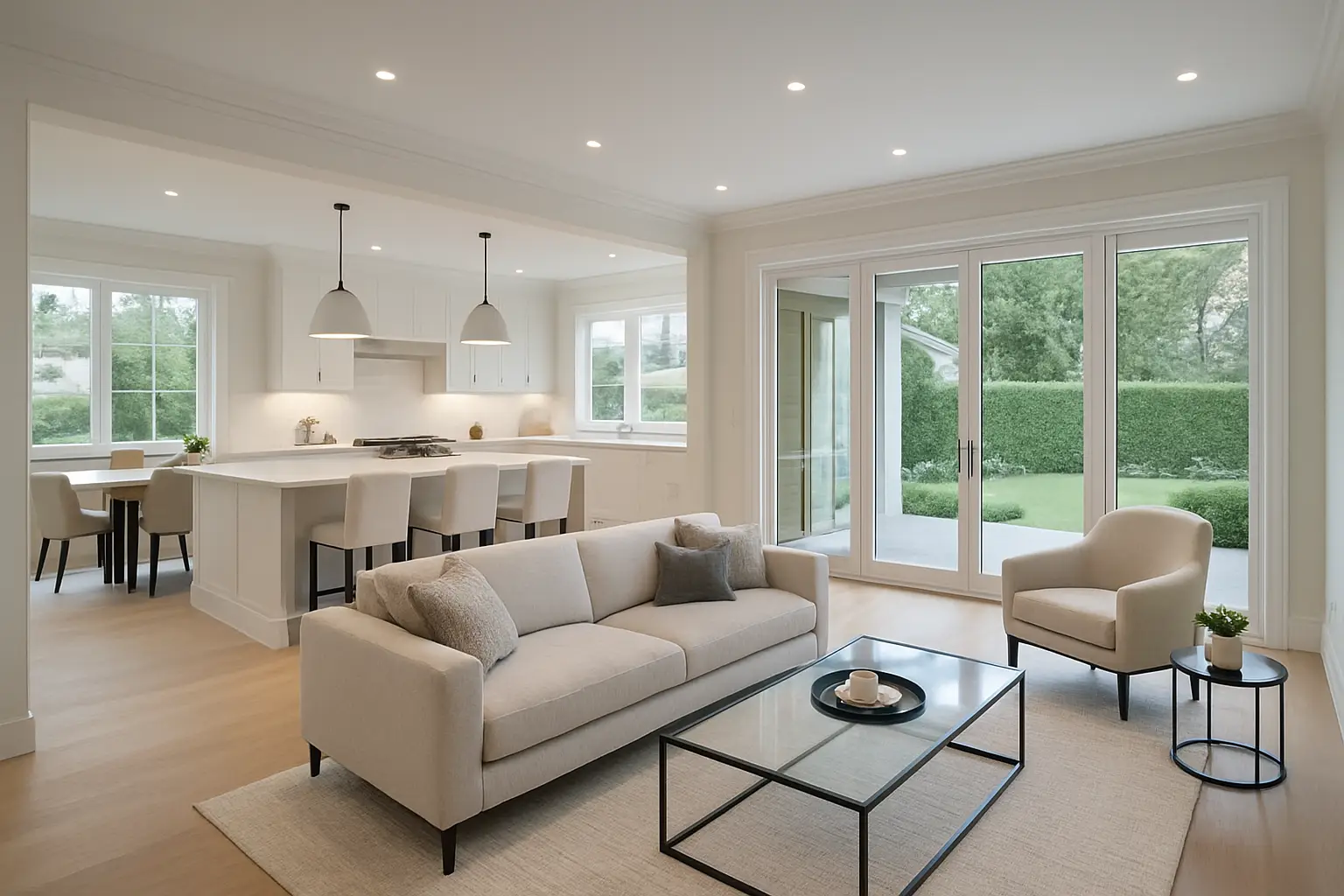
- You like your current neighbourhood
- Your property has usable space for expansion
- The existing structure can support an addition
- You want to avoid real estate market uncertainty
- You want long-term customization instead of compromise
When Moving Becomes the Better Option
- The current lot cannot support expansion
- Renovation costs approach or exceed resale value benefits
- The home has structural limitations too complex to modify
- Your lifestyle needs a completely different type of property
For homeowners who want to stay in the same location, an addition can be considered when the lot, structure, budget, and approvals support the proposed expansion.
Basement Suite vs Home Addition Tradeoff
A common alternative homeowners consider is whether to build down or build out.
- Basement suite = uses the existing footprint and may avoid the need for above-ground expansion, depending on feasibility and required upgrades
- Home addition = increases above-ground space and livability
The right option depends on the intended use, existing conditions, code and permit requirements, budget, and whether the goal is family space, a secondary suite, or another use.
Cost Reality in Real Renovation Decisions
While exact costs vary by scope, the real comparison is not just upfront price.
Home Addition Considerations
- Construction complexity
- Permit and engineering requirements
- Disruption during build
- Long-term value added to the home
Moving Considerations
- Market timing risk
- Closing costs and legal fees
- Renovation needs in new property
- Price competition in desired neighbourhoods
Lifestyle Stability vs Flexibility
One of the most overlooked factors is lifestyle disruption.
- Home addition = construction disruption but long-term stability
- Moving = short-term disruption but full reset
Households with established schools, routines, commutes, or neighbourhood ties may place more value on staying in the current location, while others may prefer the flexibility of moving.
Permits and Construction Reality in Langley
Home additions require careful planning and may involve permits, engineering, zoning review, inspections, and trade coordination depending on the design and municipality. Common considerations include:
- Building permits where required for the proposed work
- Structural engineering where the design or existing conditions require it
- Zoning compliance
- Trade coordination (electrical, plumbing, framing)
Compare the Full Cost, Feasibility and Disruption of Each Option
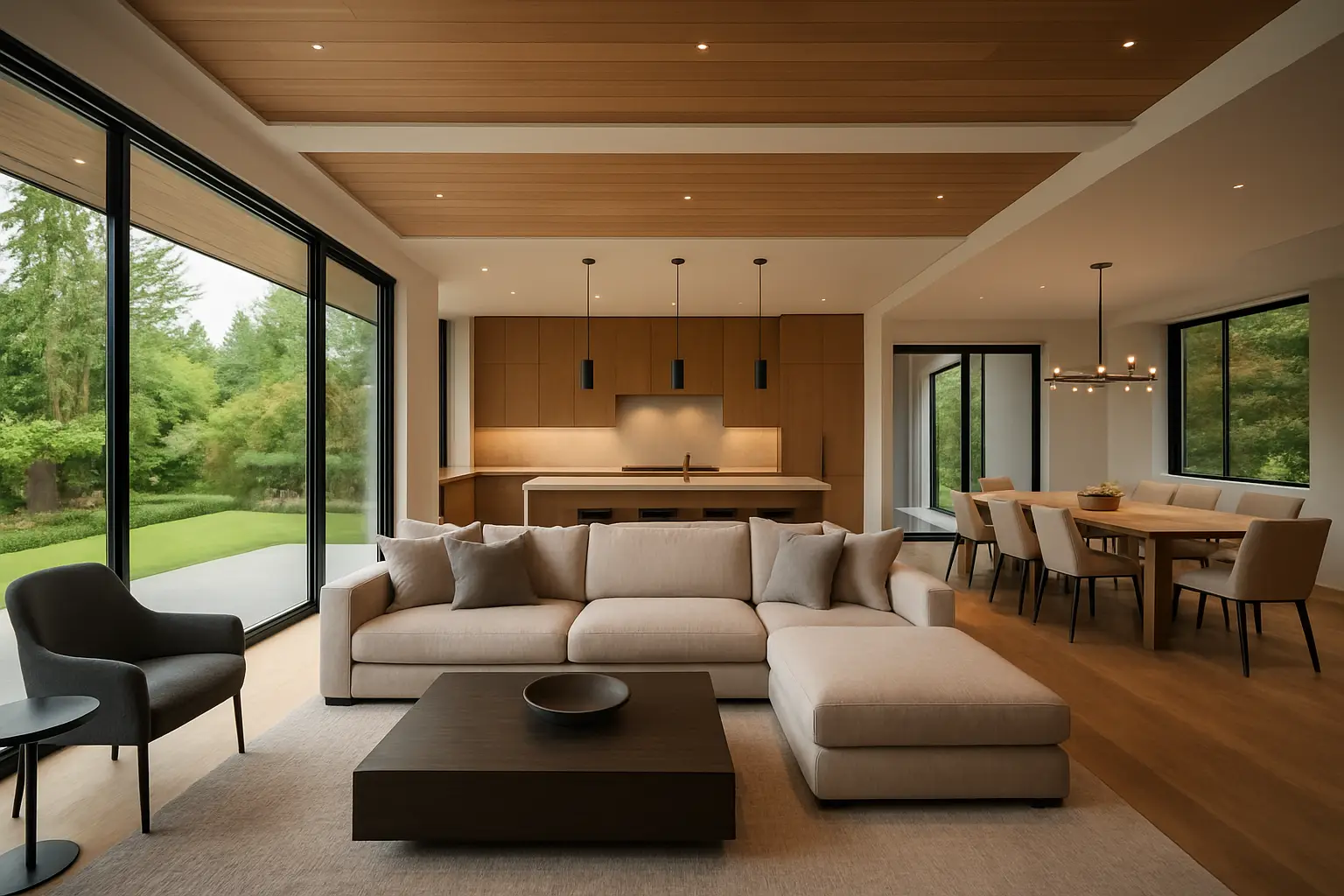
Use this worksheet before comparing headline prices. A home addition and a move create different cost categories, approval requirements, timing risks, and lifestyle disruption.
| Decision Factor | Home Addition | Moving |
|---|---|---|
| Property feasibility | Review lot size, setbacks, zoning, existing structure, utilities, access, and whether the proposed addition can be approved and built. | Review whether suitable homes are actually available in the desired location, size, condition, and budget range. |
| Upfront professional costs | May include design, drawings, engineering, surveys, permit fees, contractor pricing, and other pre-construction services depending on scope. | May include legal fees, inspections, financing costs, moving services, and professional transaction costs depending on the purchase and sale. |
| Construction or purchase cost | Compare the complete renovation scope, allowances, finishes, taxes, exclusions, contingency, and any temporary living costs. | Compare purchase price, applicable transaction taxes or fees, financing, repairs or renovations needed after purchase, and the cost of selling the current home. |
| Disruption | Expect construction noise, restricted areas, dust control, trade access, and possible temporary loss of rooms or utilities. | Expect listing preparation, showings, packing, sale and purchase coordination, moving, and setting up the new property. |
| Timeline dependencies | Design decisions, approvals, permits, engineering, material lead times, trade availability, inspections, and site conditions can affect timing. | Market conditions, financing approval, sale timing, possession dates, inspection conditions, and availability of a suitable replacement home can affect timing. |
| Long-term fit | Ask whether the addition solves the space, accessibility, layout, and lifestyle needs for the years you expect to remain in the home. | Ask whether a different property better solves location, lot, commute, school, accessibility, maintenance, or future-space requirements. |
How to Decide Between Addition and Moving
A practical way to evaluate the decision is to ask:
- Can my current home be realistically adapted to my needs
- Is my location more valuable than the house itself
- Will an addition solve my space problem long-term
- Am I avoiding renovation complexity or solving a real limitation
The answer usually becomes clearer once space and lifestyle needs are mapped out. Contact Greatwerx Projects Inc to discuss your property.
Request a Project Quote →