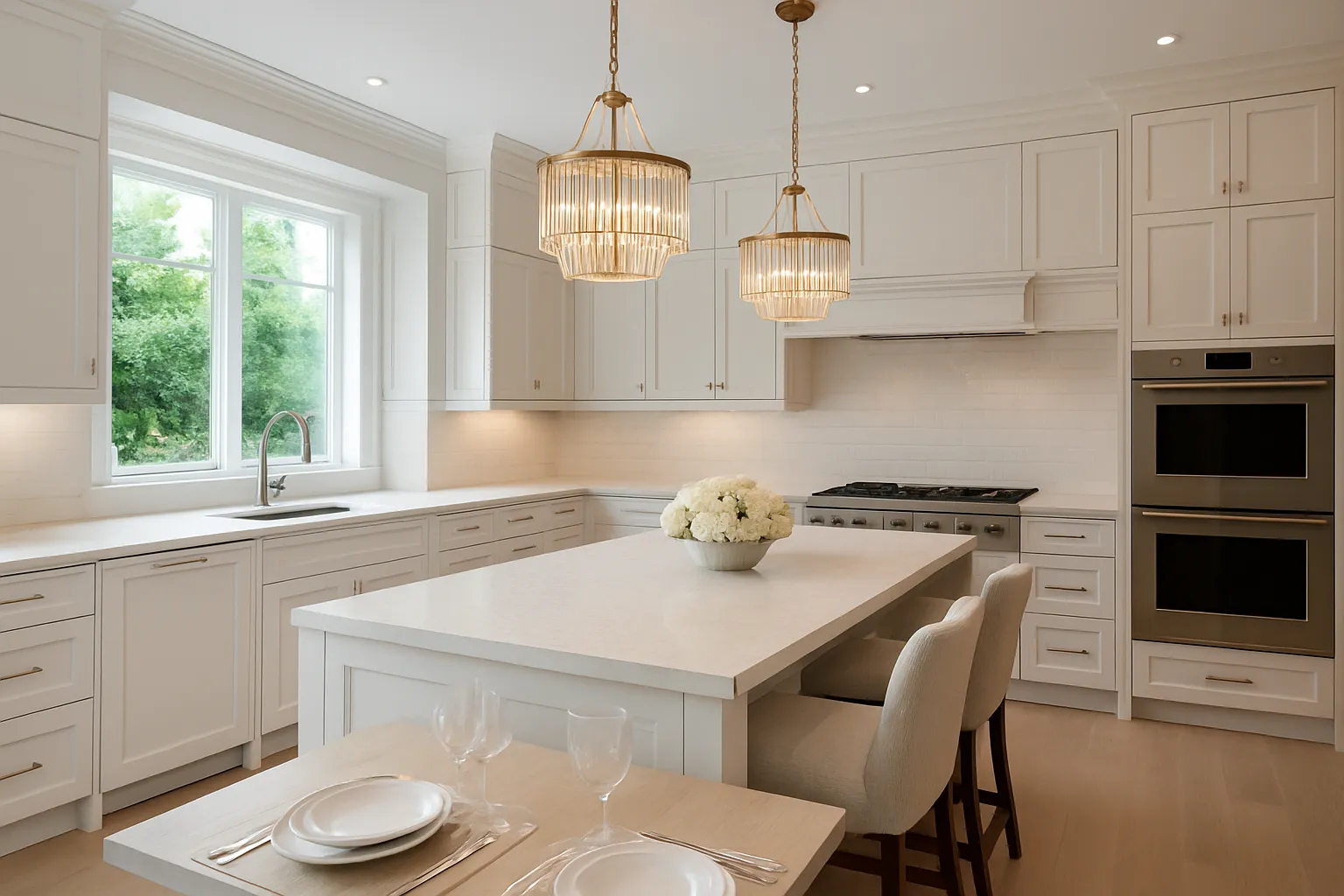
Kitchen Renovation vs Cabinet Refacing
In Langley homes, kitchen upgrades usually fall into two very different categories: cabinet refacing and full Greatwerx kitchen renovation. While both can improve appearance, they differ significantly in scope, function, cost structure, and long-term impact on how the kitchen actually works.
The key decision is whether you are trying to refresh what already exists or fundamentally improve how the kitchen is built and used.
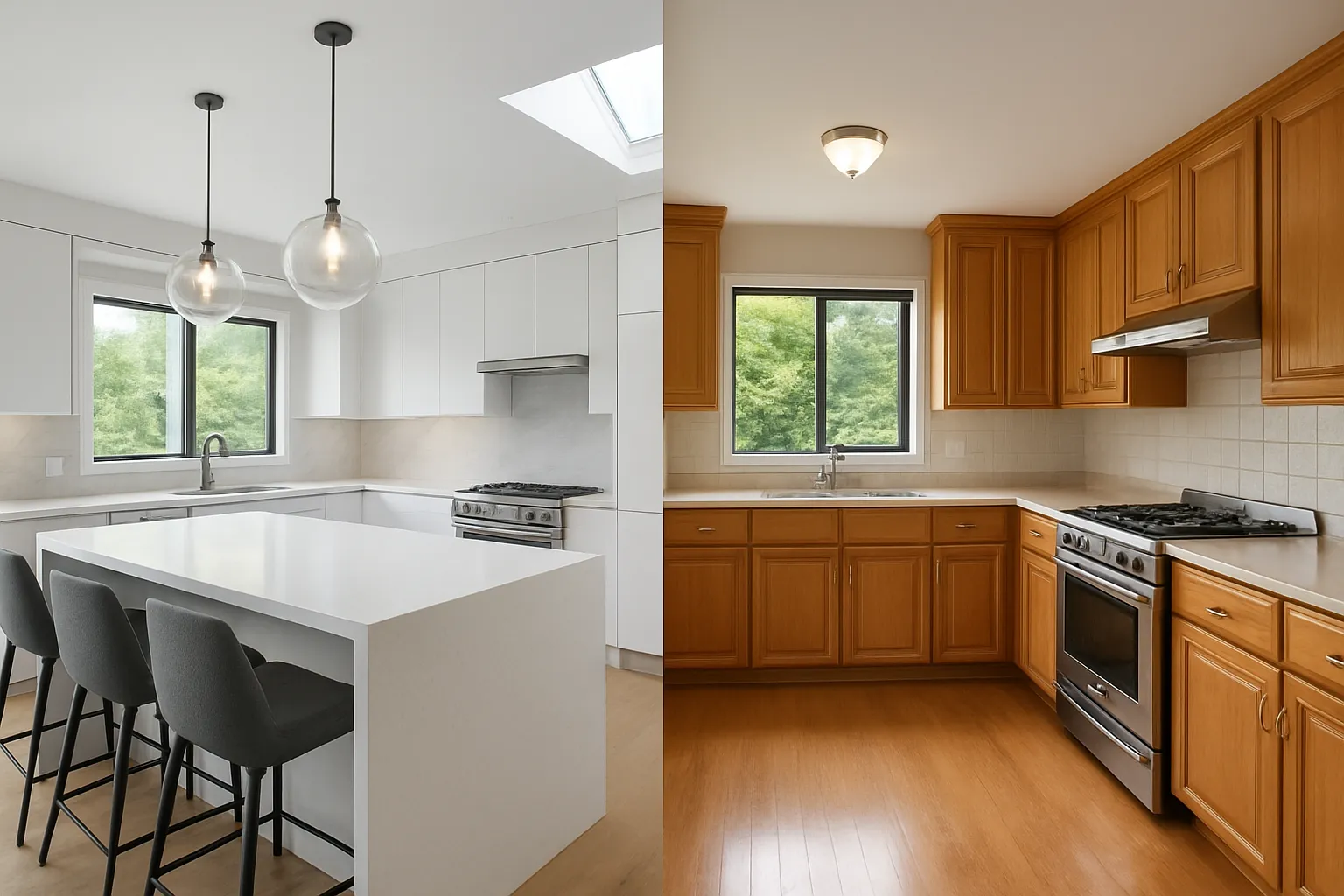
What Cabinet Refacing Actually Involves
Cabinet refacing is a surface-focused upgrade that changes the visible cabinet finish while keeping the existing cabinet boxes and overall layout in place, assuming the cabinet structure is suitable for reuse.
Typically, cabinet refacing includes:
- Replacing cabinet doors and drawer fronts
- Applying new veneer or surface finishes to existing boxes
- Updating handles, pulls, and hardware
- Matching or refreshing visible surfaces
Because the existing cabinet boxes and layout remain, refacing is generally best suited to projects where plumbing, electrical, appliance locations, and workflow do not need meaningful changes.
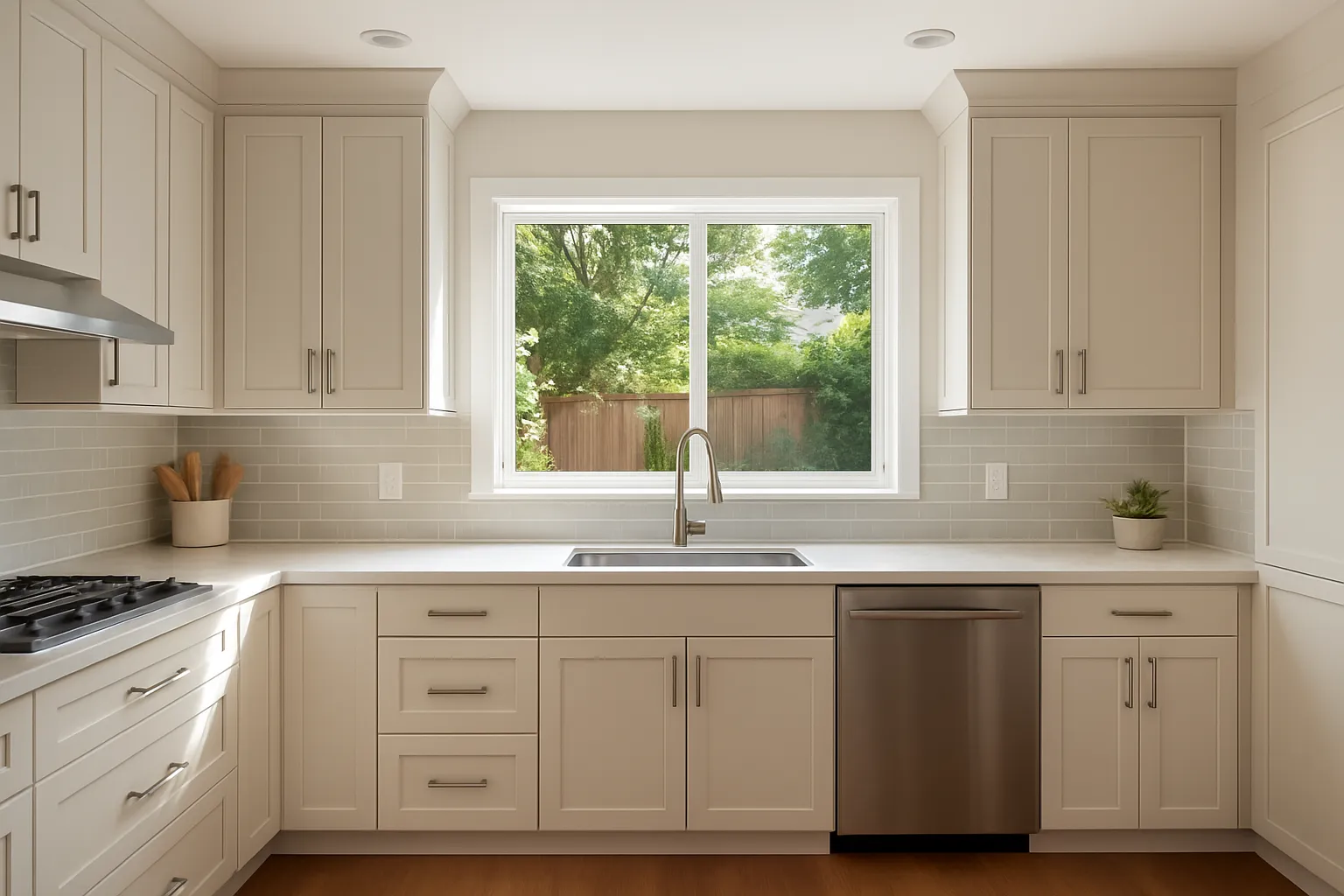
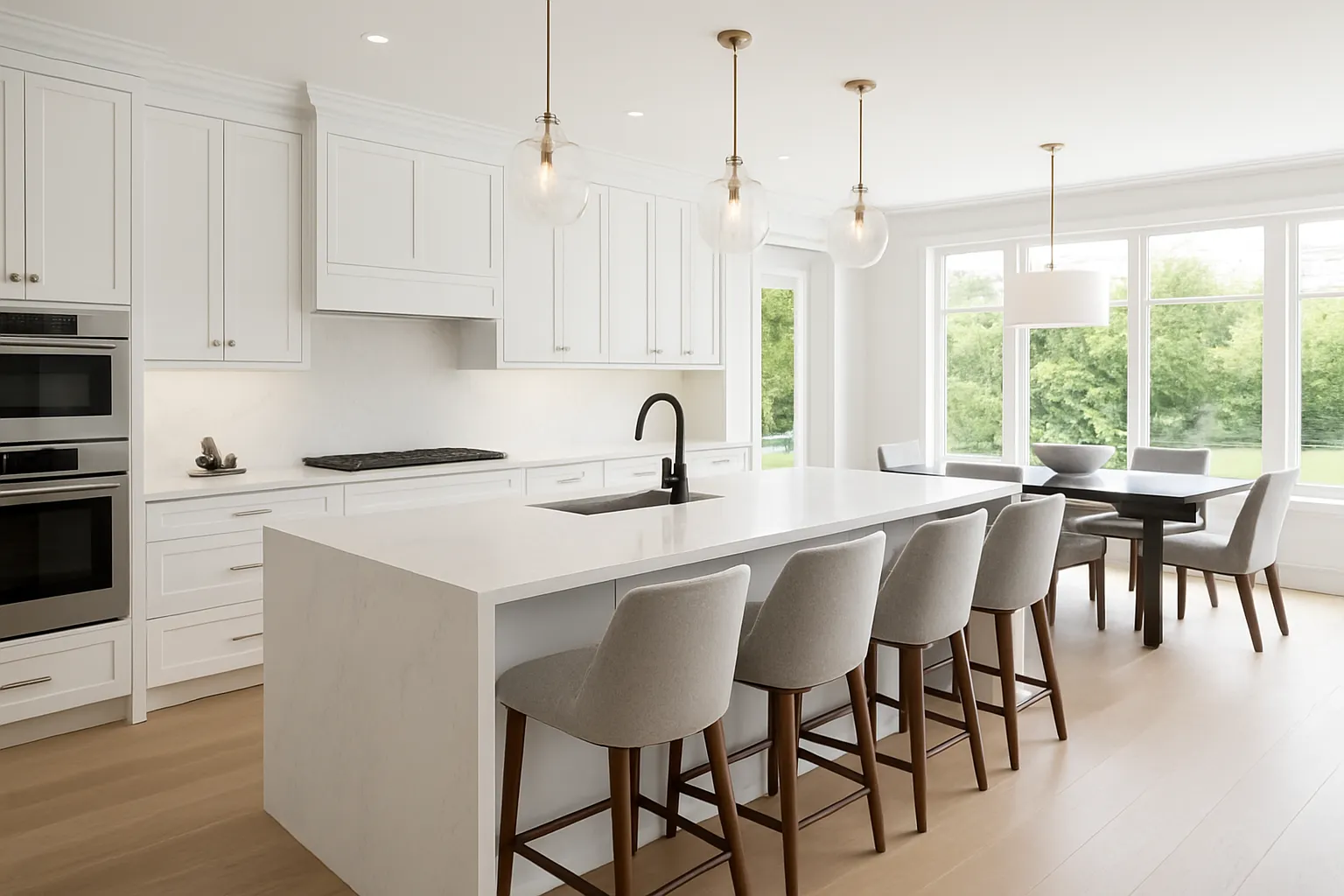
What a Full Kitchen Renovation Includes
A full kitchen renovation can involve rebuilding or significantly redesigning the kitchen, depending on the condition of the existing space and the homeowner’s goals.
Kitchen Solutions →This can include:
- Full demolition of existing kitchen components
- New cabinet layout and design
- Replacement of countertops, backsplash, and flooring
- Plumbing and electrical upgrades or relocation
- Appliance repositioning or upgrades
- Lighting redesign and improved workflow planning
The Core Difference Is Function vs Appearance
The most important distinction is whether the project improves only the surface or the actual functionality of the kitchen.
- Cabinet refacing = visual refresh of existing structure
- Kitchen renovation = redesign of layout, function, and systems
When Cabinet Refacing Is the Right Choice
Typically appropriate when the layout already works well and the goal is cosmetic improvement only.
- Cabinet boxes are still structurally sound
- Budget or timeline is limited
- Plumbing and electrical locations do not change
Cabinet Condition, Layout, Scope and Material Choices
This table helps separate a cosmetic cabinet update from a broader kitchen renovation. Final scope should be based on the condition of the existing kitchen and the changes you actually need.
| Decision Factor | Cabinet Refacing | Full Kitchen Renovation |
|---|---|---|
| Cabinet condition | Best suited when existing cabinet boxes are structurally sound, correctly aligned, and worth keeping. | Better suited when cabinets are damaged, poorly configured, worn beyond a surface update, or no longer meet storage needs. |
| Layout changes | Usually keeps the existing cabinet footprint, appliance positions, plumbing points, and primary workflow. | Can change cabinet layout, appliance positions, storage zones, islands, work areas, and circulation where feasible. |
| Project scope | Focuses mainly on cabinet faces, doors, drawer fronts, hardware, and visible cabinet finishes. | Can include demolition, cabinetry, countertops, backsplash, flooring, lighting, plumbing, electrical work, appliances, and related finishes. |
| Material choices | Choices are constrained by the existing cabinet boxes and the refacing system selected for the project. | Allows a broader selection of cabinet construction, door styles, storage systems, countertops, finishes, and layout-specific materials. |
| Disruption | Often less disruptive because the cabinet structure and kitchen layout stay largely in place. | Usually more disruptive because demolition, trade coordination, inspections, and installation may be involved. |
| Best fit | Appearance-focused update where the existing layout and cabinet structure already work well. | Functional or structural improvement where layout, storage, systems, finishes, or overall kitchen performance need to change. |
When a Full Kitchen Renovation Is Better
A full kitchen renovation may be the better fit when the current layout, storage, systems, or finishes no longer support how the household uses the space.
- The layout is inefficient or cramped
- Storage is insufficient for modern use
- Appliances are poorly positioned
- The kitchen is part of a broader home renovation
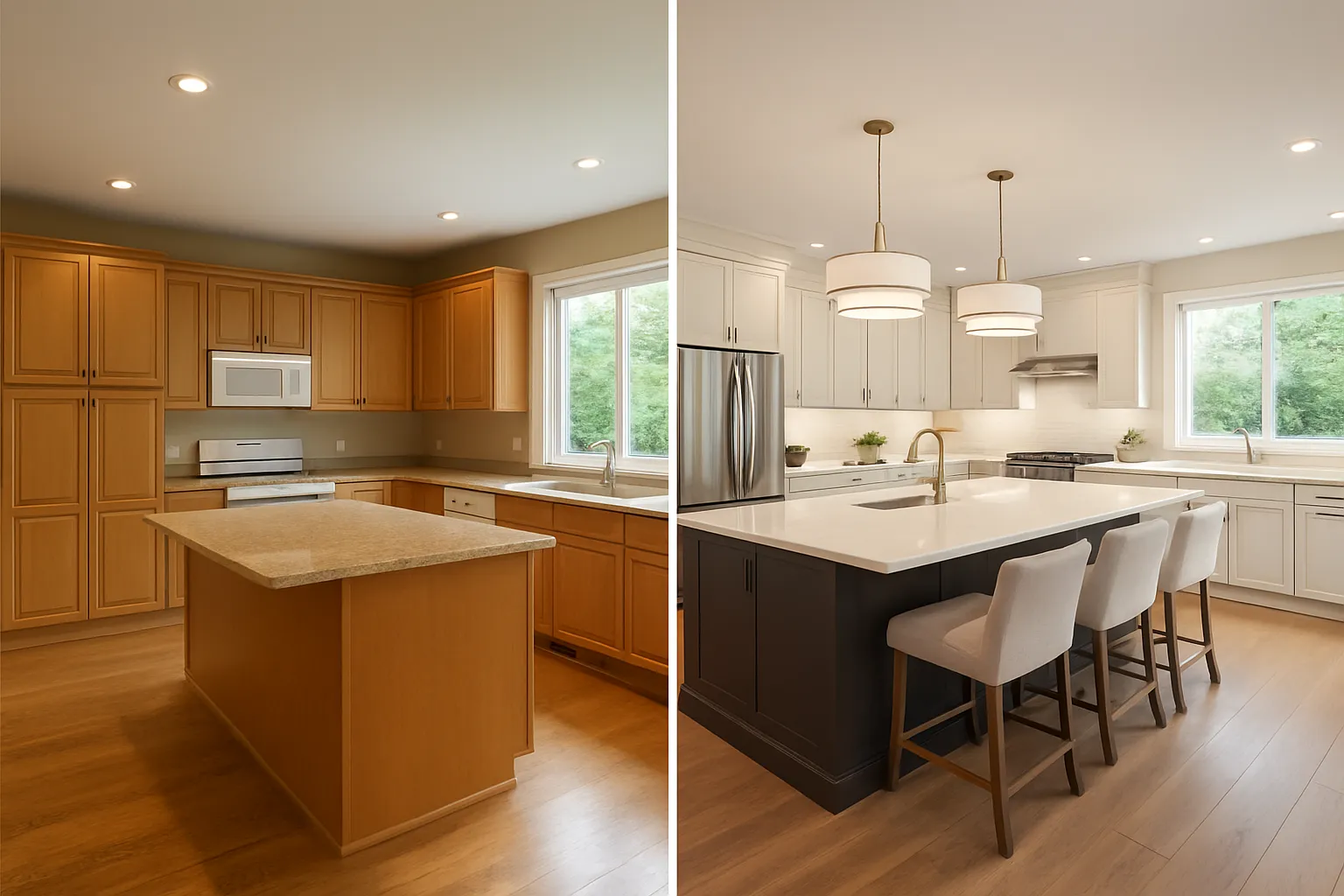
Layout and Workflow Are the Key Differentiator
One of the biggest practical differences is kitchen workflow and movement.
Cabinet Refacing
- Does not change layout
- Keeps existing traffic flow and work zones
- Improves appearance only
Full Renovation
- Reorganizes cooking, prep, and storage zones
- Improves movement and efficiency
- Allows structural improvements to workflow design
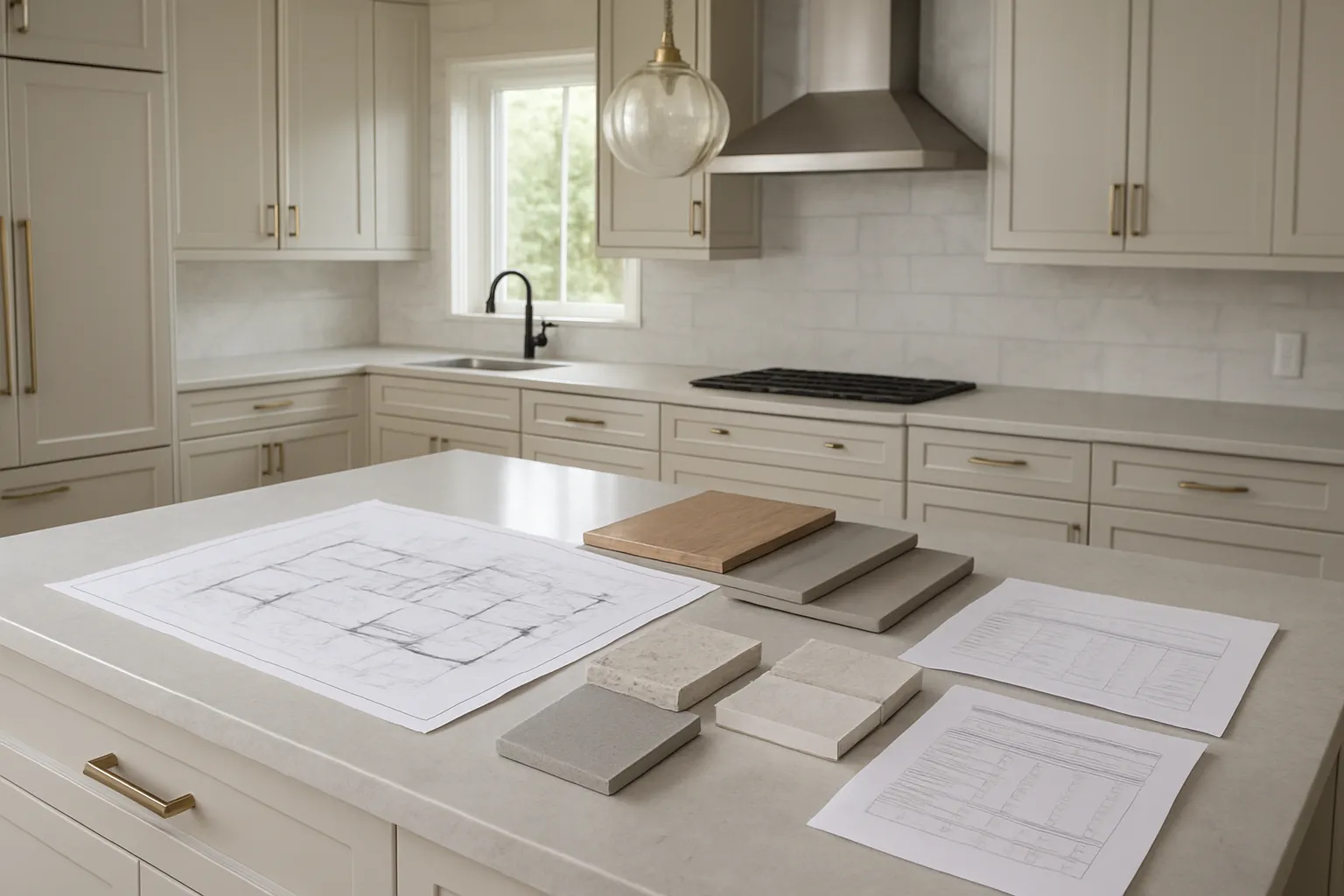
Cost Structure vs Long-Term Value
Cabinet refacing can have a lower upfront cost than a full renovation when the existing cabinet boxes, layout, and surrounding systems can be retained.
However:
- It does not improve layout efficiency
- It does not address underlying system limitations
A full renovation usually involves a broader scope and may offer opportunities to:
- Improves daily usability
- Improve functionality and potentially support resale appeal, depending on scope, quality, and market conditions
- Allows integration of modern appliances and layouts
The decision usually depends on cabinet condition, layout needs, budget, material choices, and whether the goal is primarily cosmetic or functional.
When Refacing Can Become a Limitation
- Appliances no longer fit modern standards
- Counter space is insufficient
- Storage needs exceed existing cabinet design
- Layout creates workflow inefficiencies
How Homeowners in Langley Typically Decide
- Condition of cabinet structure
- Efficiency of existing layout
- Whether they plan to stay long-term in the home